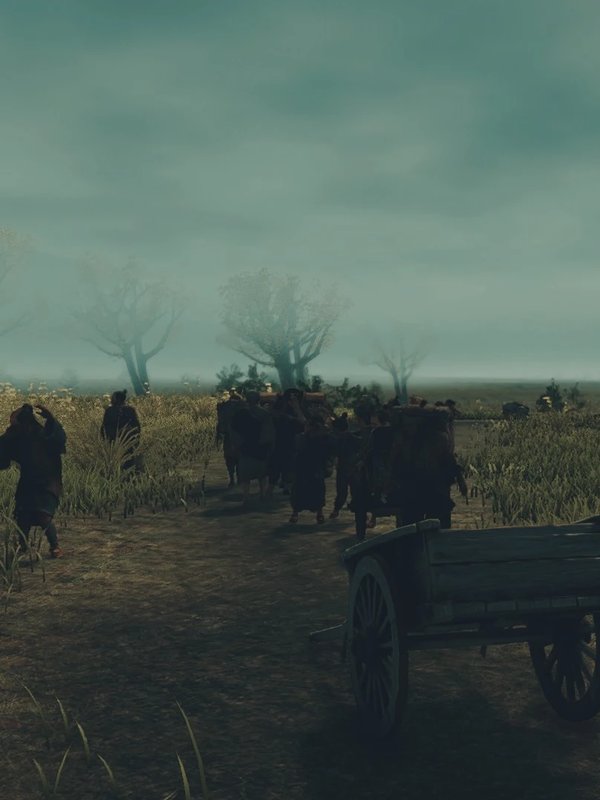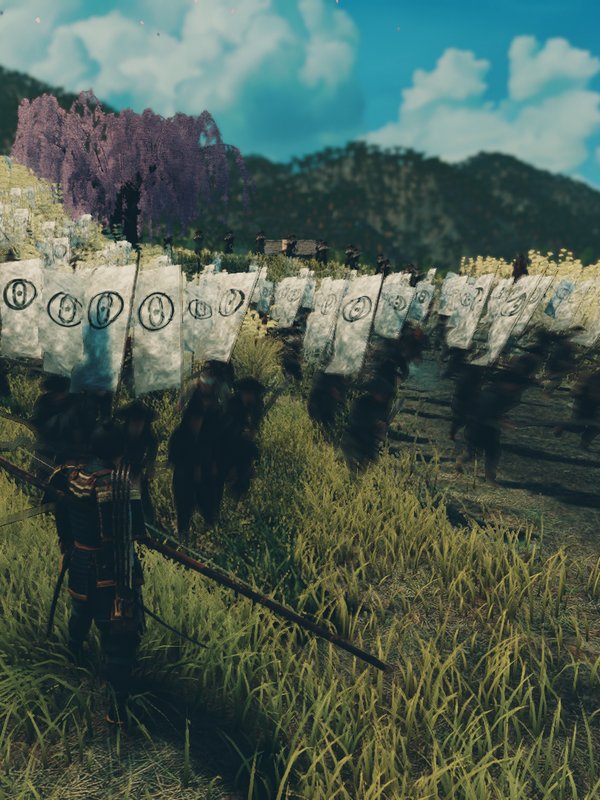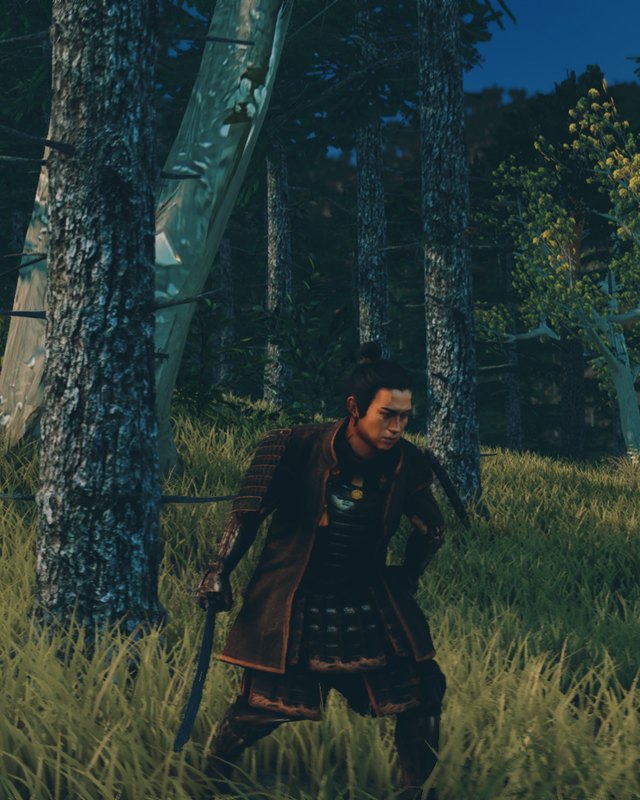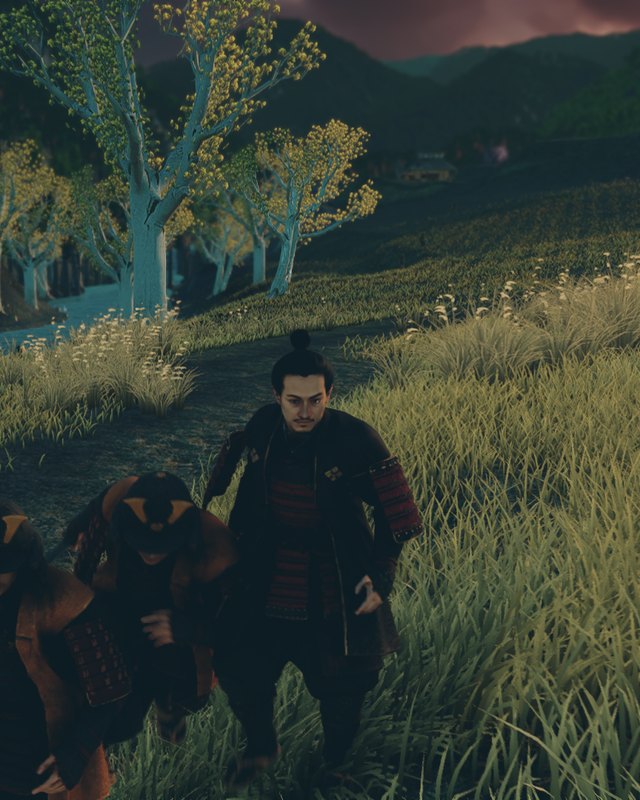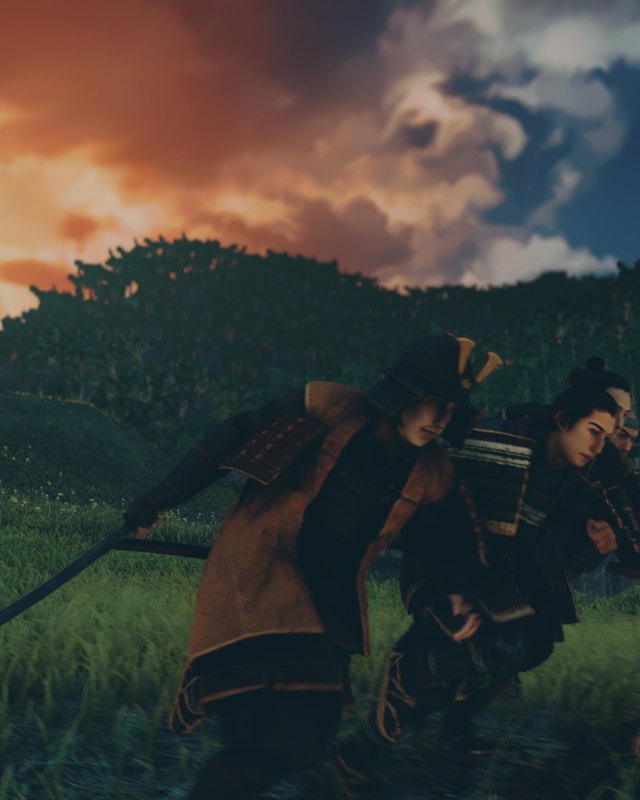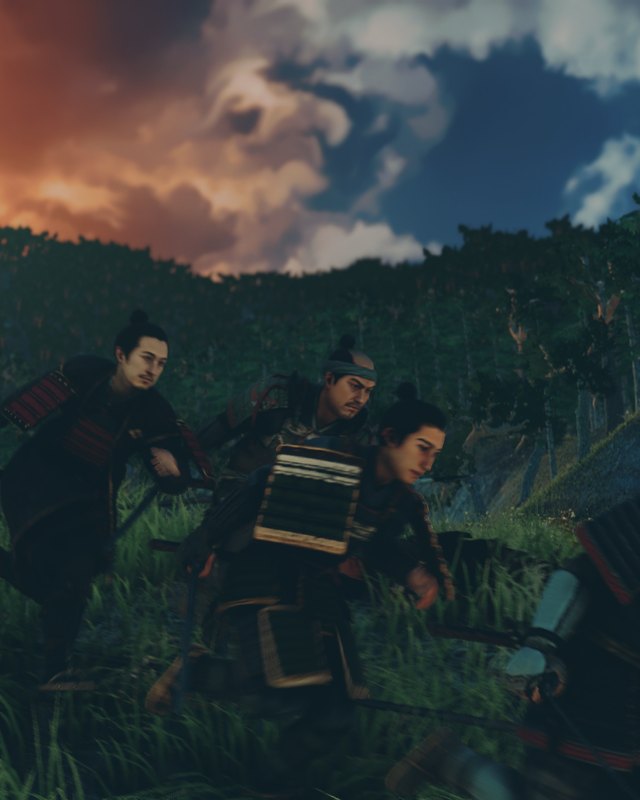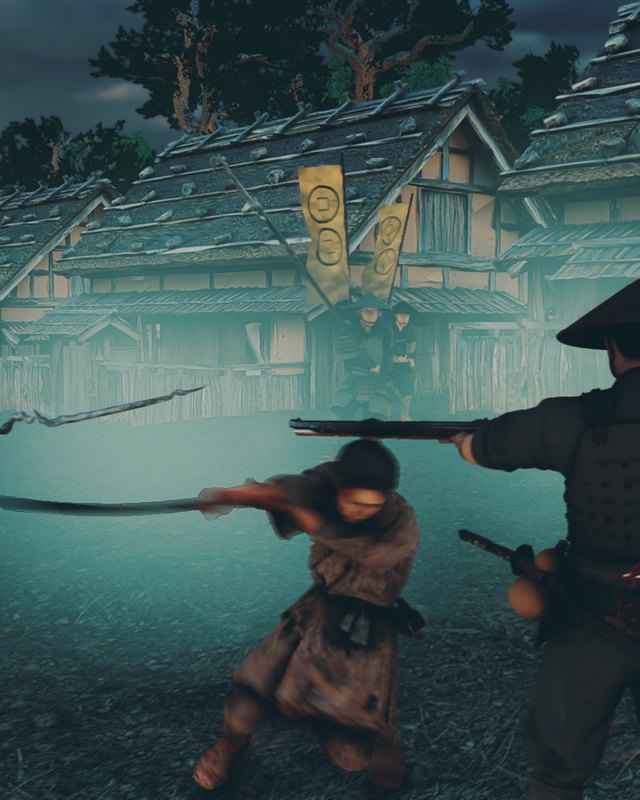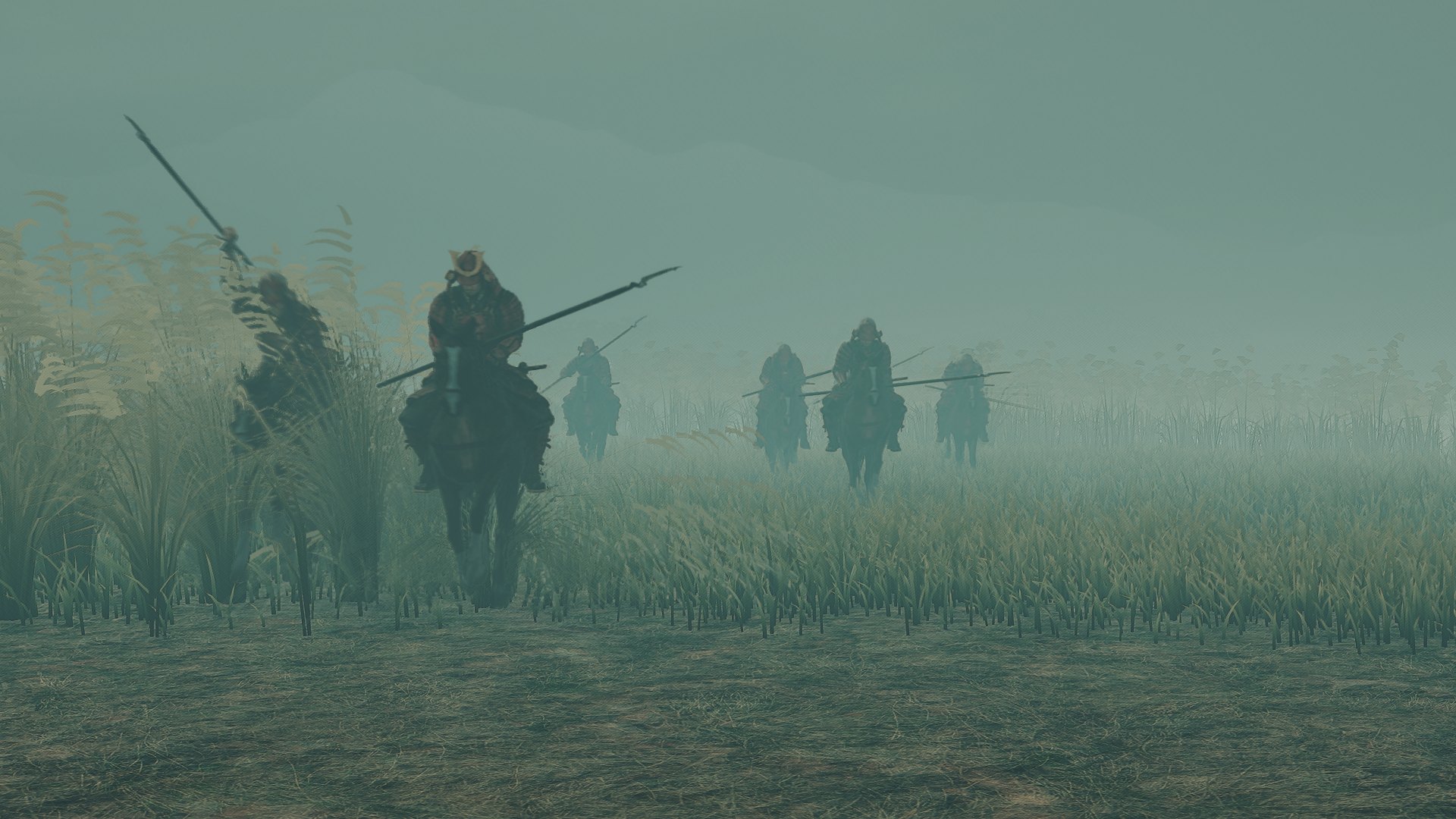
Spring, 1582. After the Kiso clan defects, the great armies of Oda and Tokugawa pour into Kai. Takatō Castle falls, and Anayama Baisetsu surrenders to the Tokugawa.
Komiyama Naizen, a hereditary retainer of the Takeda, clashed with his lord Katsuyori's inner circle and was banished from court to house arrest in Ōtsuki. When word comes that Takatō has fallen, Naizen sets out for Shinpu without leave.
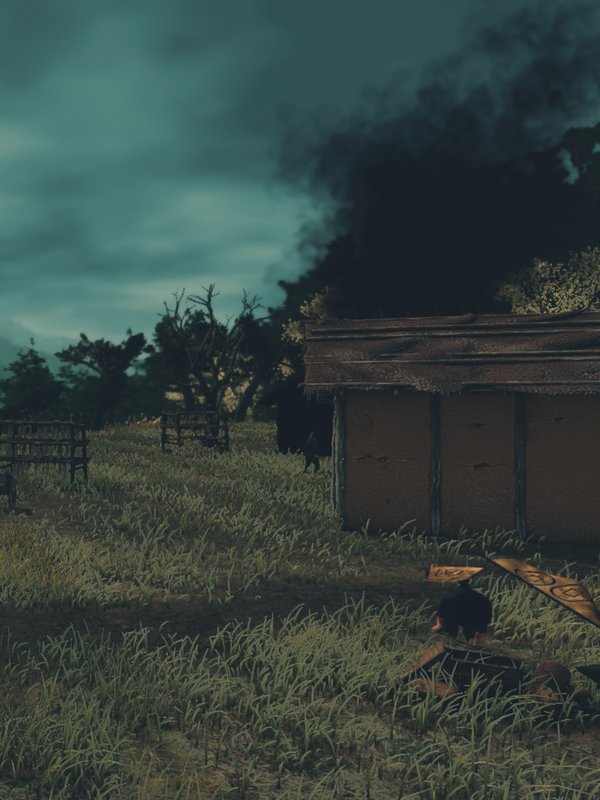
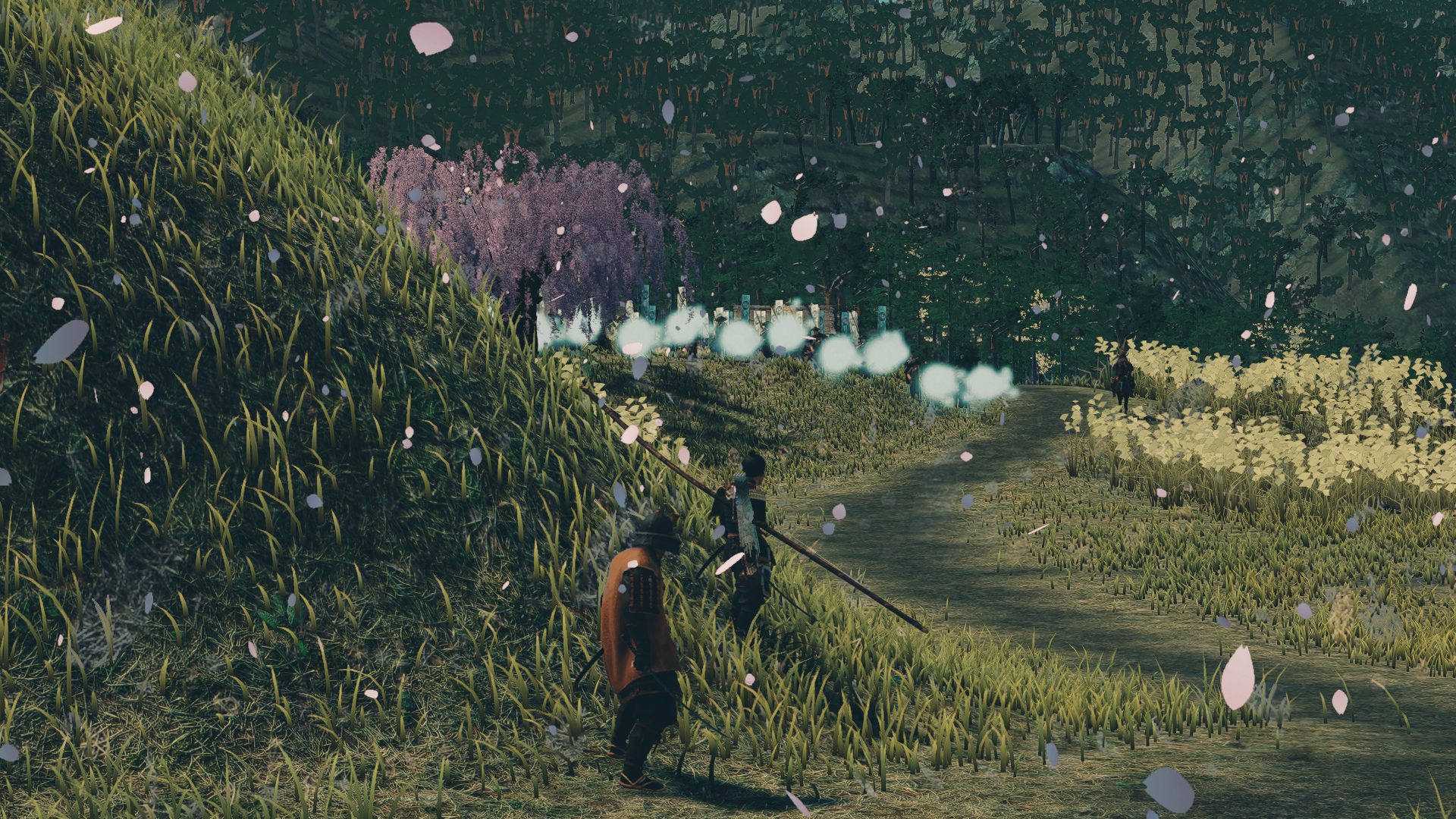
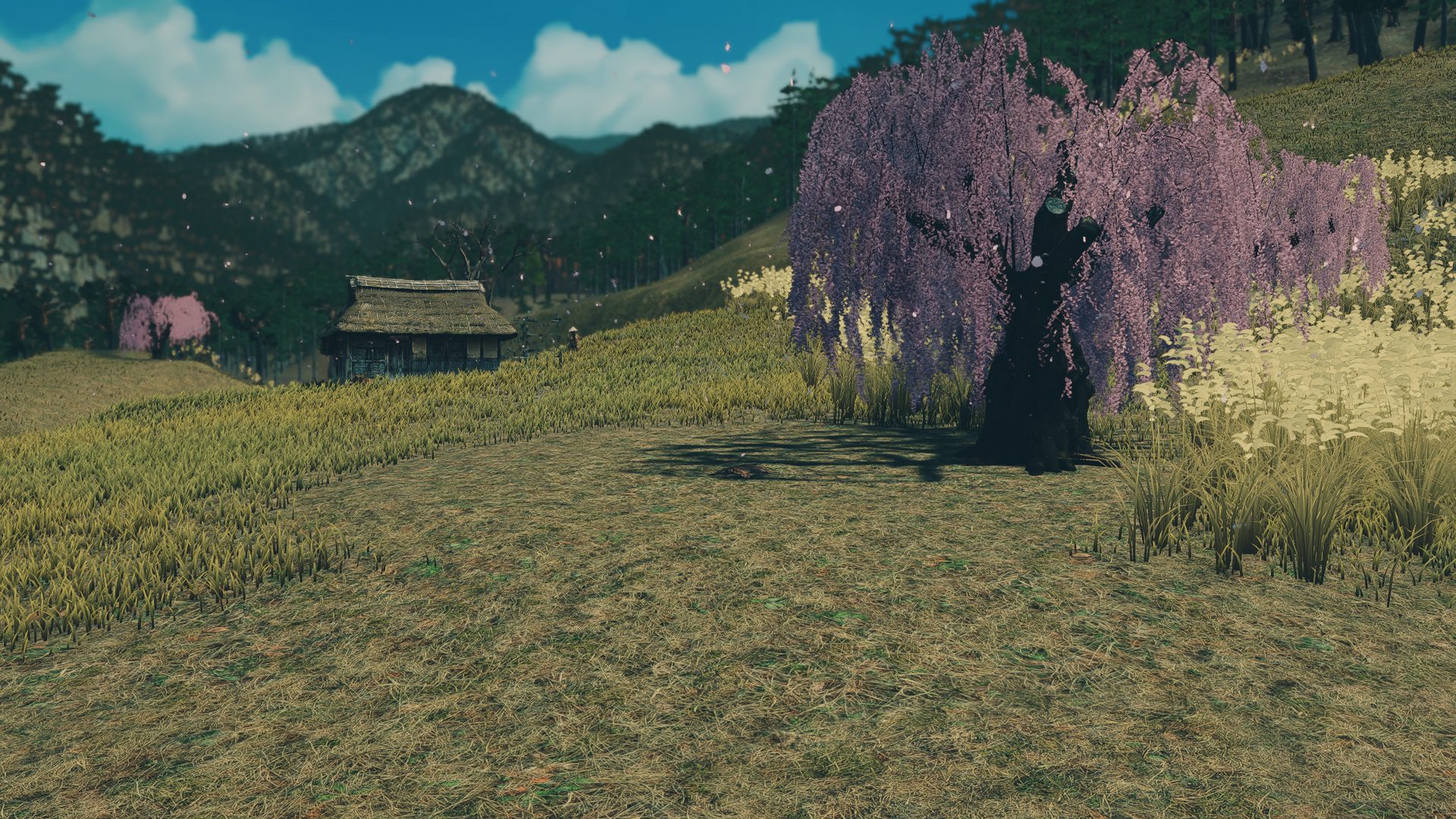
A castle burning to the ground, Kofuchū in chaos, the Sasago road cut off. Naizen finally reaches his lord beneath the mountain cherries of Tano.
Two months after the fall of the Takeda. In a Kai now ruled by the Oda, Mitsui Yaichirō, a former retainer hiding in the mountains, hears rumors of a burned temple and urgent news from Kyoto. A second story, unlocked when you finish the main game.
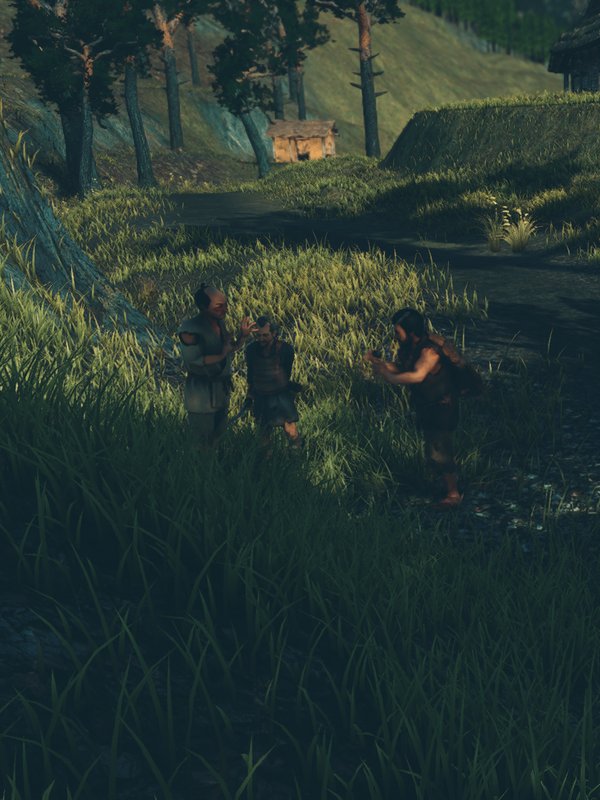
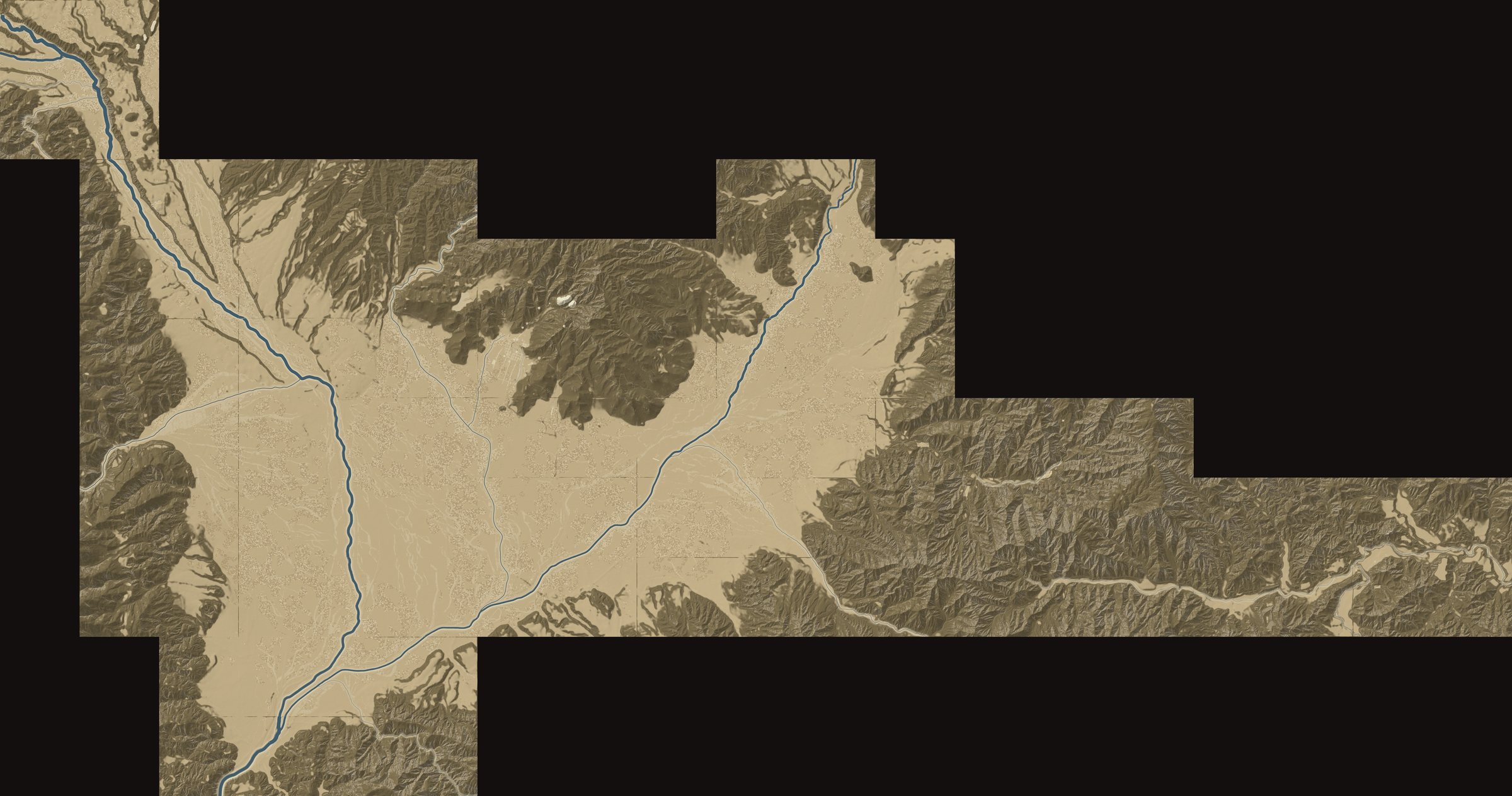
About the side storyKai Province as it stood in March 1582, at the very moment the Takeda fell, recreated at true scale from elevation data by the Geospatial Information Authority of Japan. Mountains and valleys, rivers and highways, castles, temples and villages. Roam some sixty kilometers from east to west, on foot or on horseback, free from the path of the story.
Shinpu Castle
Tsutsujigasaki Residence
Ōno Fort
Kōgen-in
Daizen-ji
Komakai
Tsuruse Barrier
Tano
Seiun-ji, Mt. Tenmoku
Iwadono Castle
Ōtsuki (Sawai)

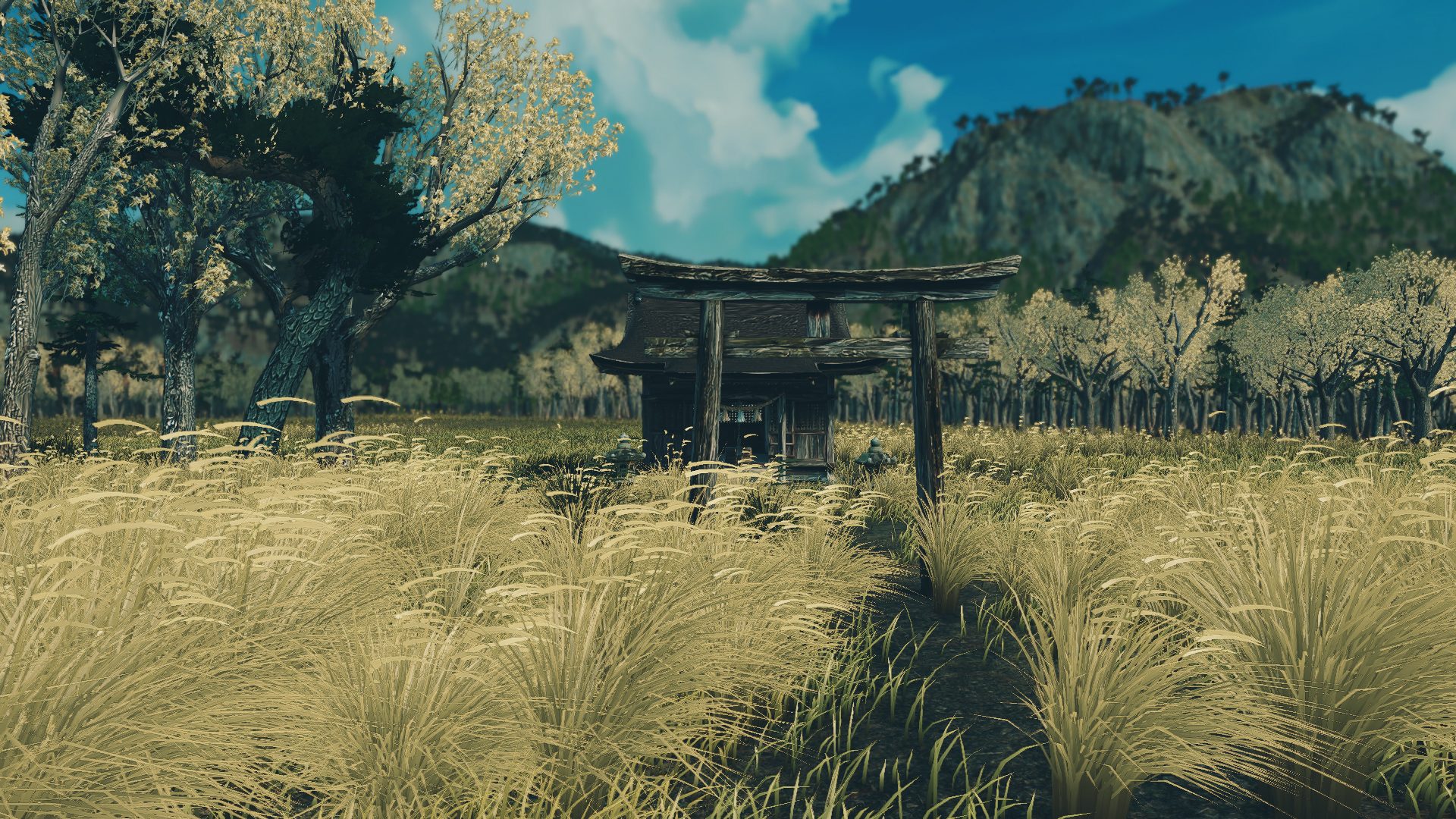
Terrain built from official elevation data, at its real size. The Sasago pass, the Hikawa valley, the sweep of the Kōfu basin: all exactly where the map puts them, as Kai stood in March 1582.

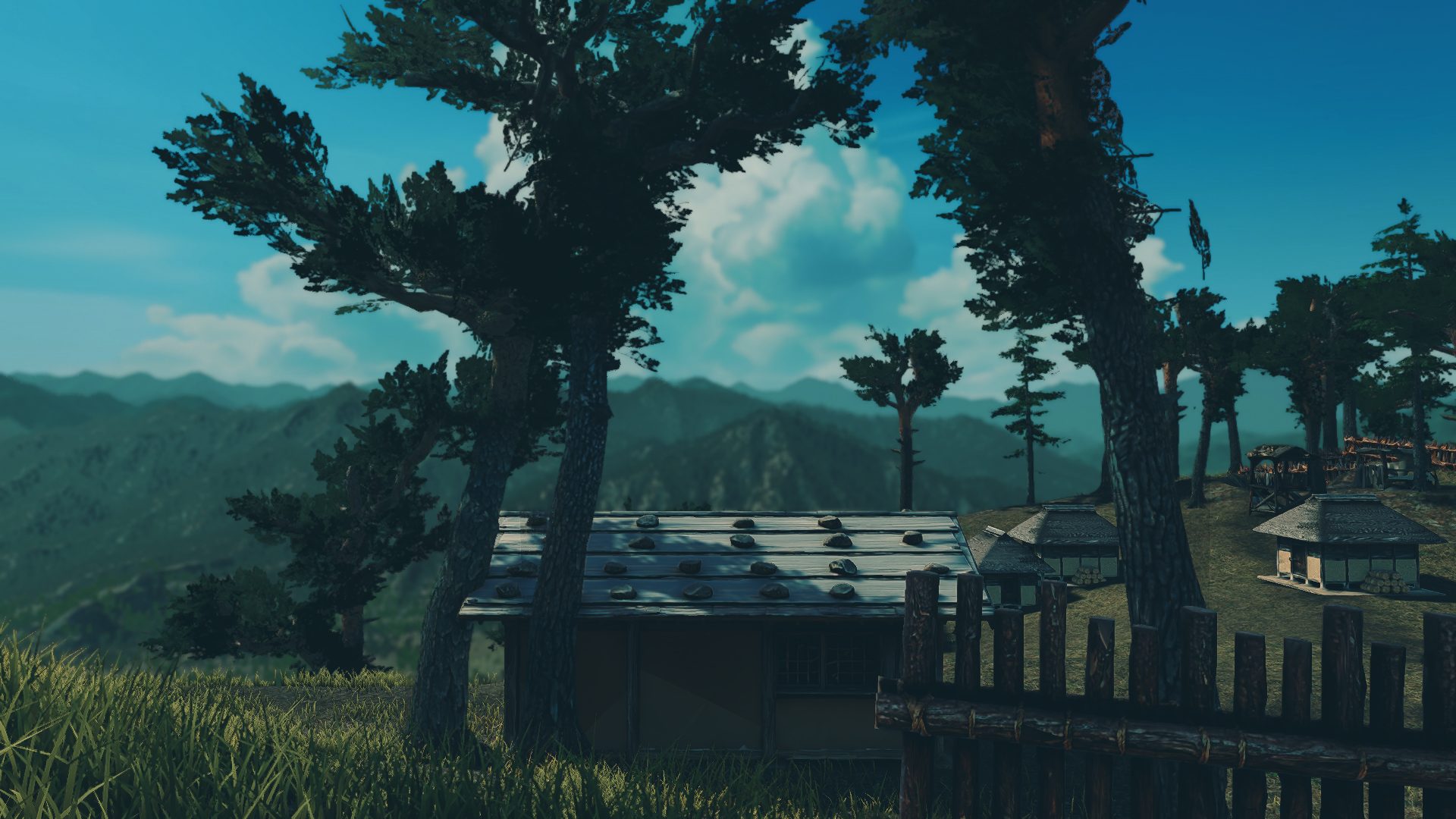
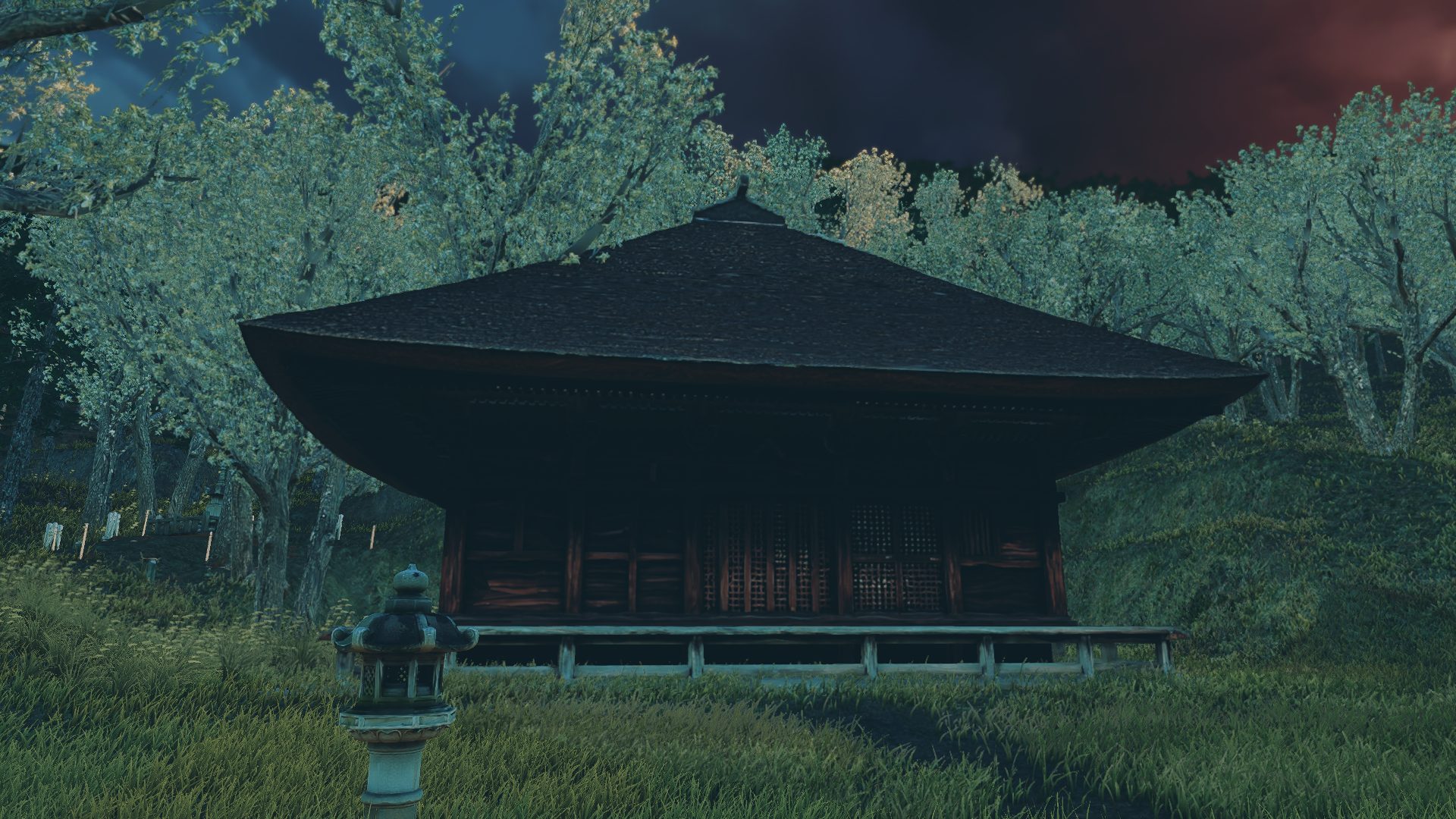
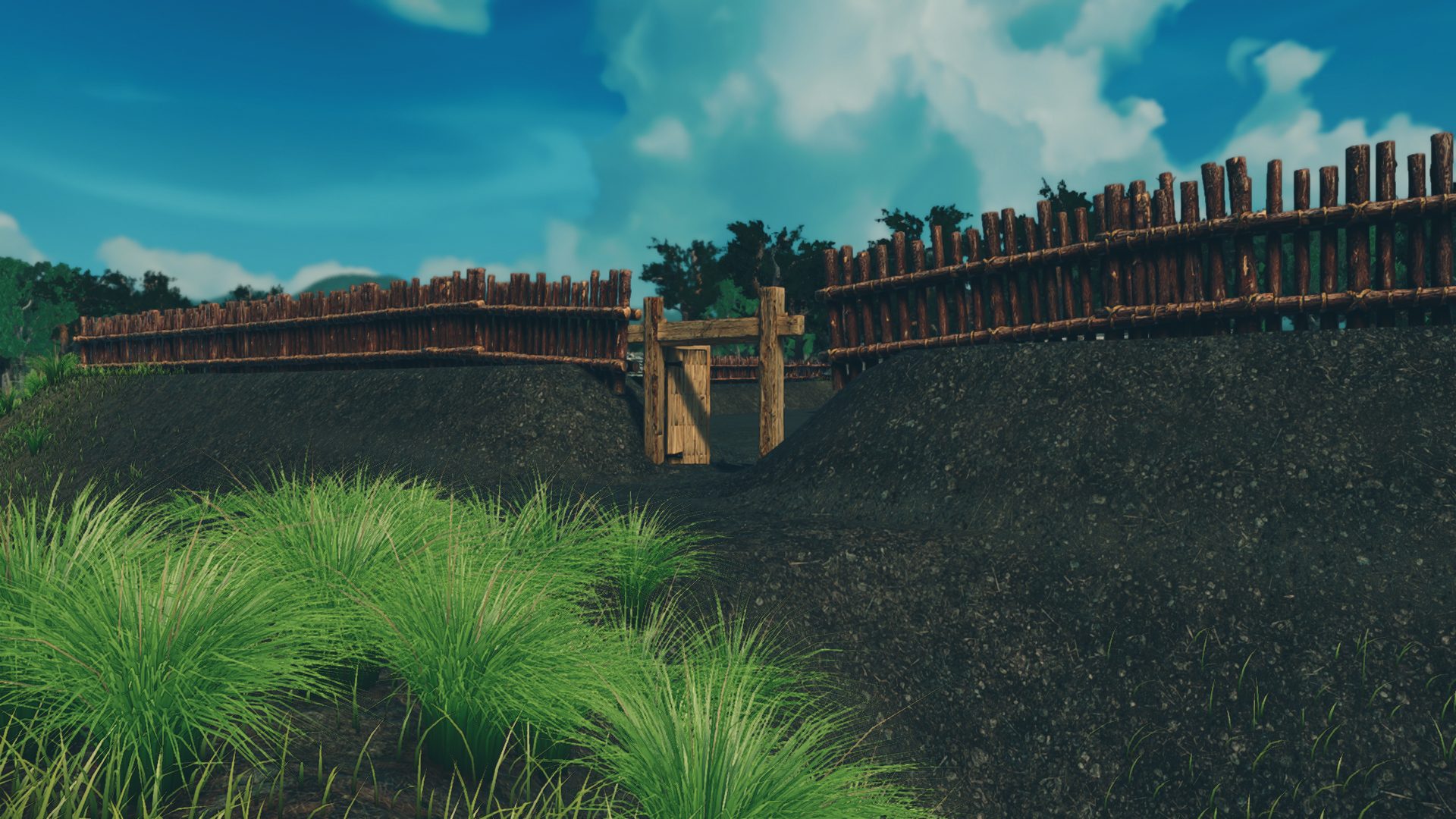
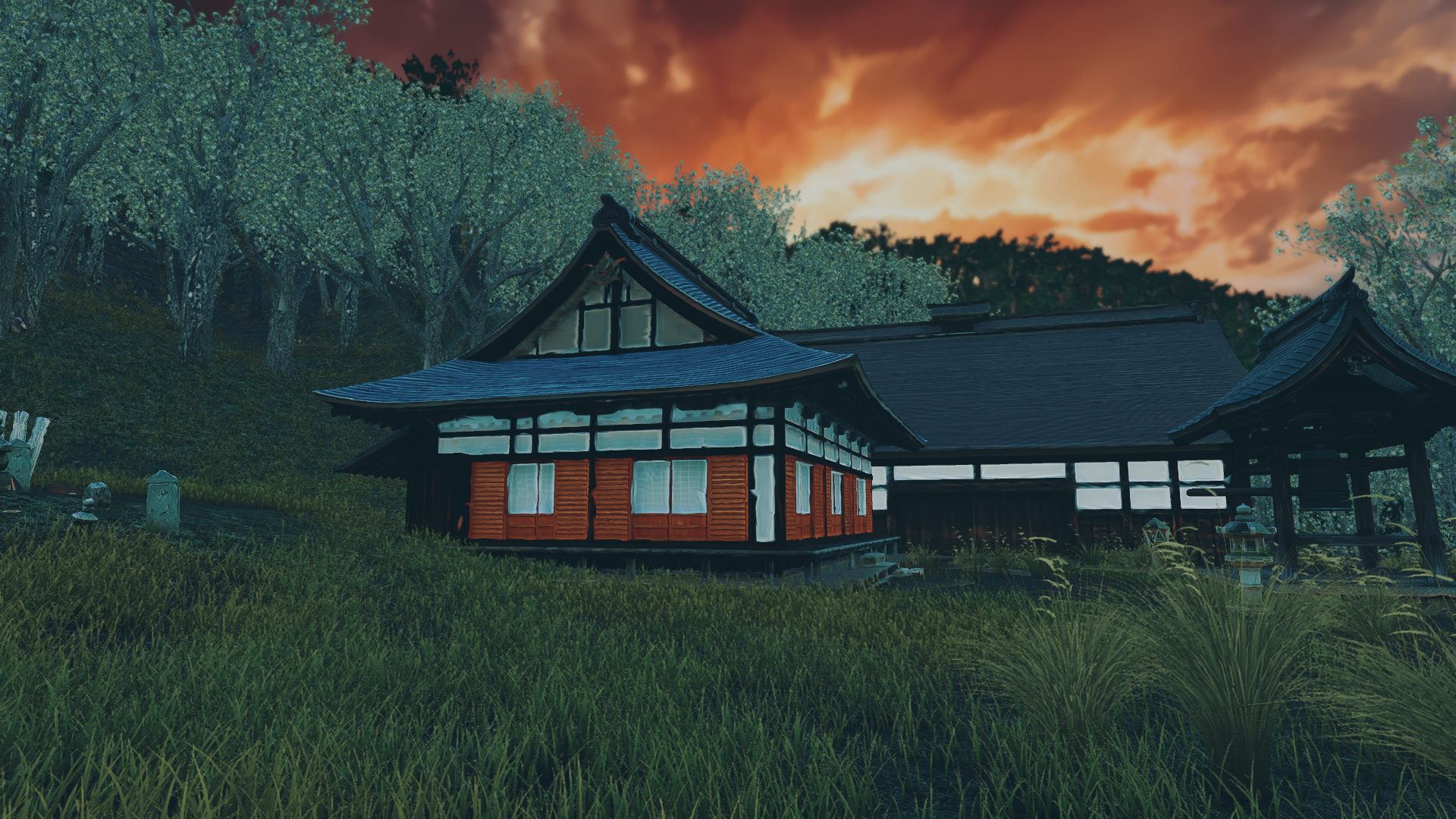
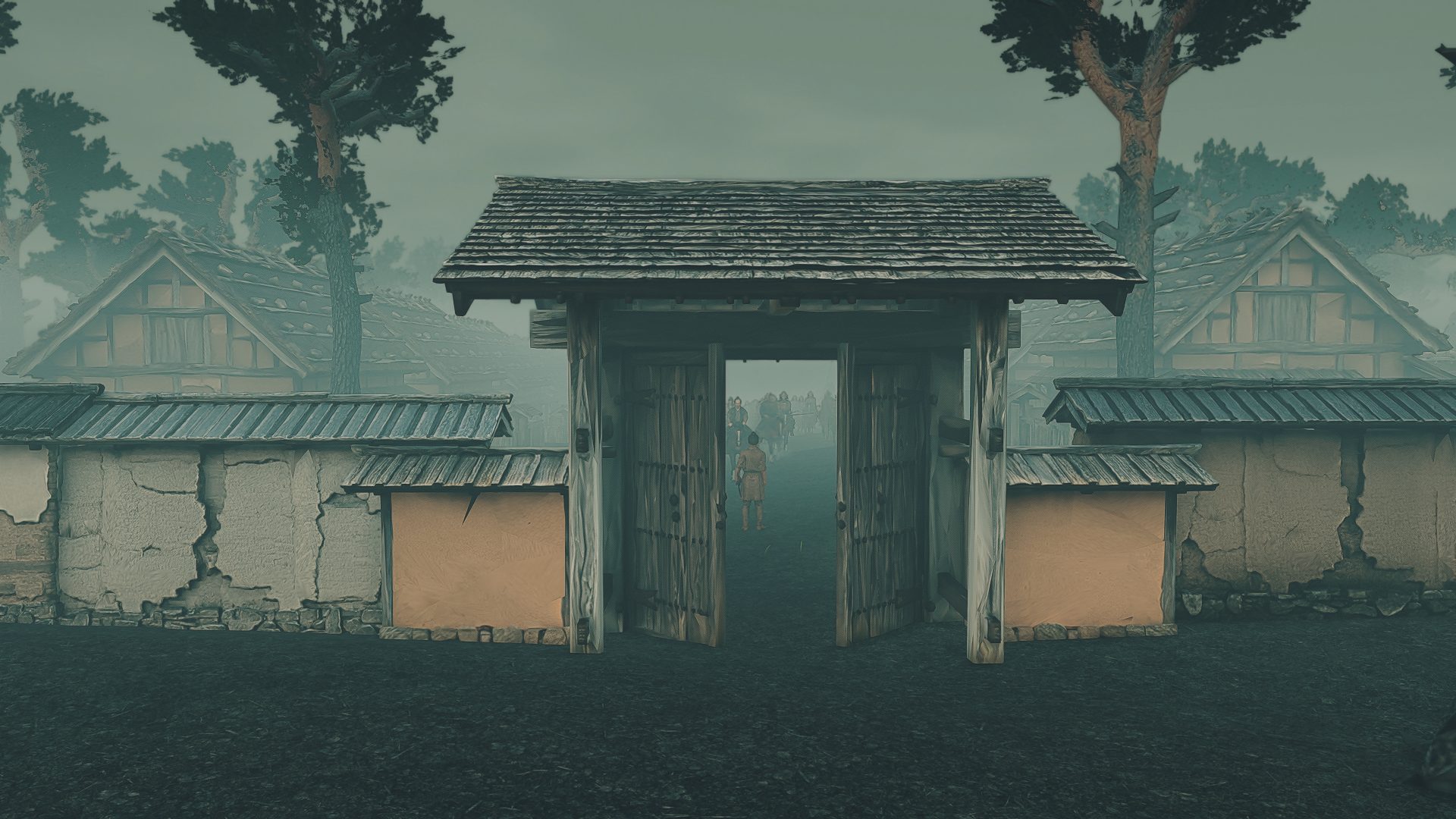
Iwadono Castle, Shinpu Castle, the Tsutsujigasaki Residence, Daizen-ji, Seiun-ji. Castles and temples recreated as they stood in March 1582, based on records and surviving buildings.

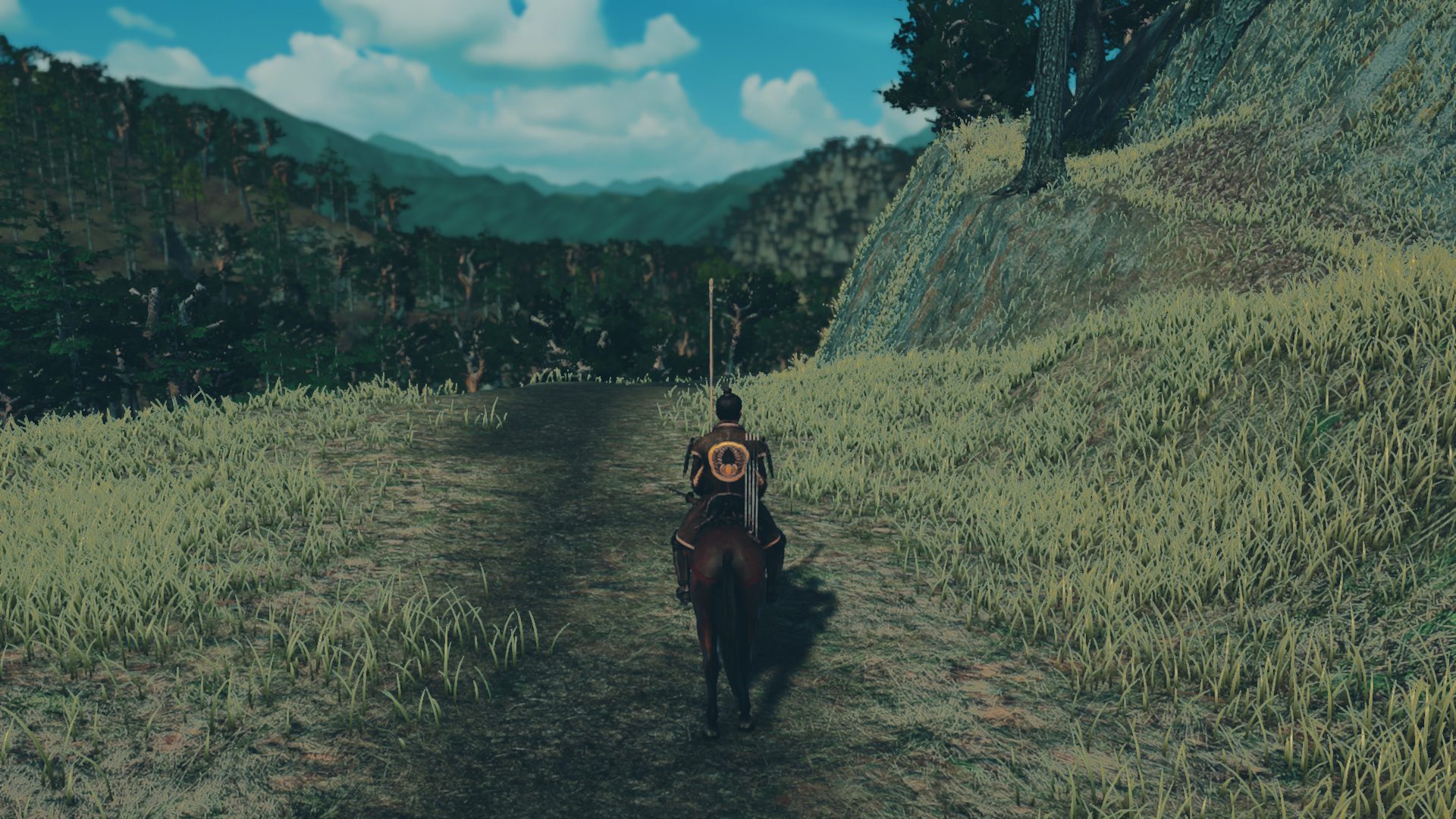
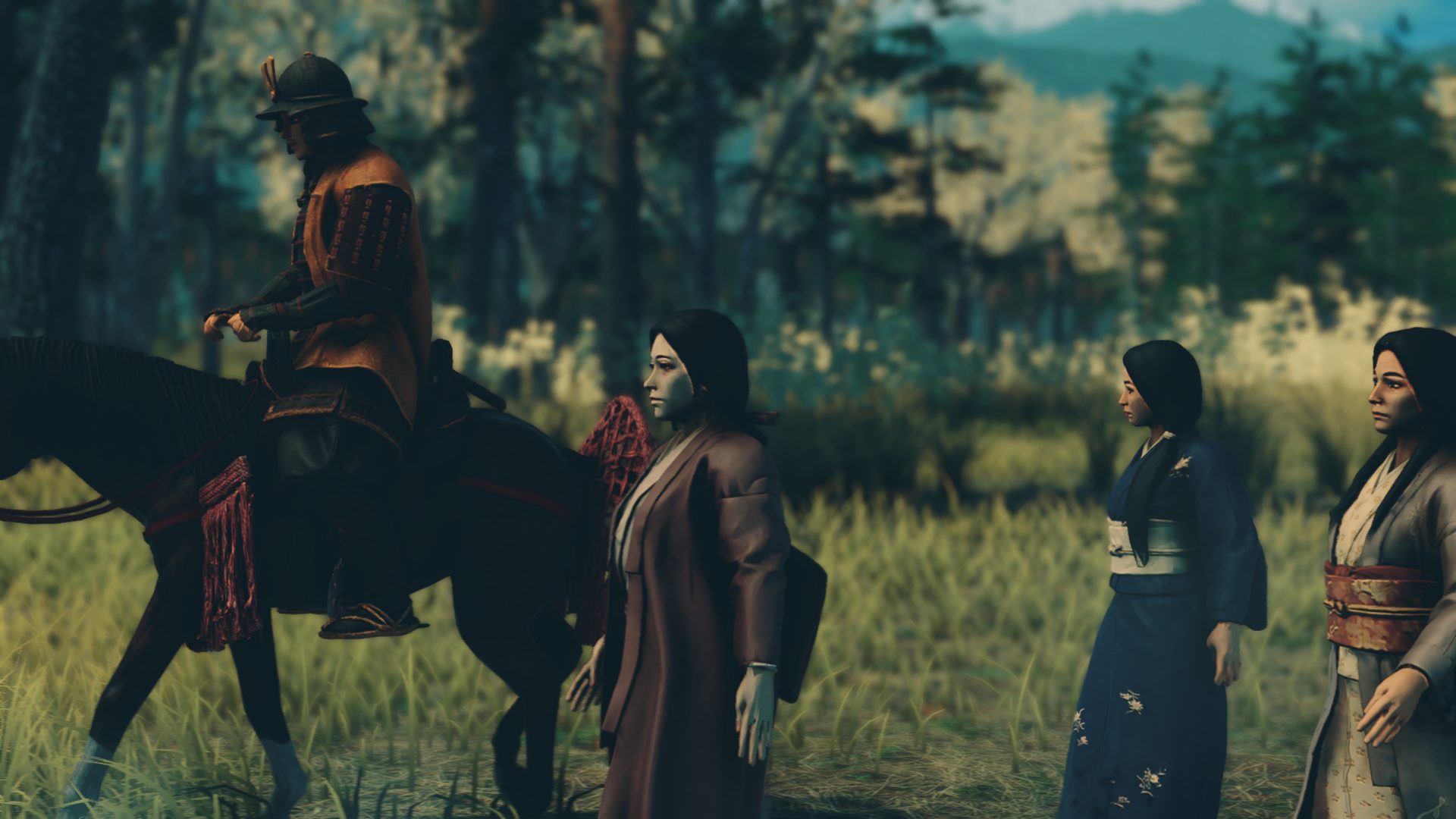
Leave the highway for the mountains, or gallop across the basin. The whole of Kai is one seamless stage.

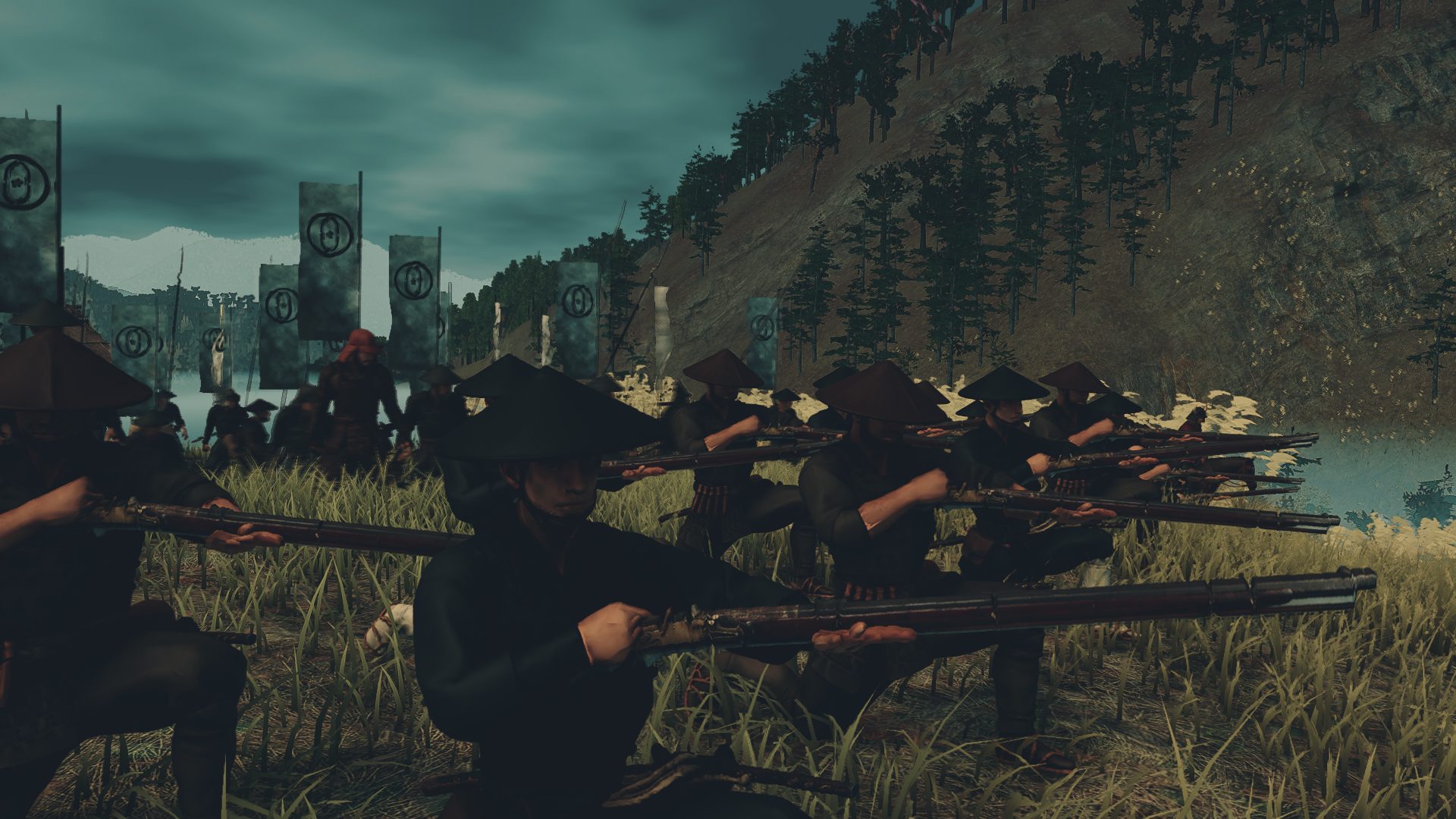
The last days of the Takeda, drawn from chronicles such as the Kōranki and The Chronicle of Nun Rikei. Where the records fall silent, the story fills the gaps with fiction.